
How Nannies Are the Secret Sauce to Your Kid's Learning Adventure
- Kiddobee Kiddobee
- Jul 30, 2025
- 5 min read

When it comes to learning, kids soar in environments that spark their curiosity and creativity. While schools play a vital role in a child's education, nannies often serve as the unsung champions in a child's learning journey. These dedicated caregivers offer personalized attention, encouragement, and a diverse range of learning experiences that can significantly enhance educational outcomes. In this article, we’ll explore the crucial ways nannies influence education for kids, making them the secret ingredient in your child's learning adventure.
The Nanny's Role in Child Development
Nannies do much more than supervise children. They serve as teachers, mentors, and friends, crafting a safe and nurturing environment that fosters learning. Unlike traditional classroom settings, nannies can tailor educational activities to match a child’s individual interests and needs.
For example, if your child loves dinosaurs, a nanny may introduce books, documentaries, and even organize field trips to local museums with dinosaur exhibits. This personalized approach not only makes learning fun but also helps reinforce concepts through real-world experiences, making ideas stick. A study found that children who engage in hands-on learning are 75% more likely to retain the information over time compared to those who learn passively.
Building Strong Relationships
One of the biggest benefits of having a nanny is the strong bond they form with your child. This relationship can lay the groundwork for trust, allowing a child to feel secure while exploring new ideas and asking questions. Since nannies spend substantial time with children, they gain insight into each child’s personality, learning style, and emotional needs.
When kids feel secure, they’re more inclined to take on challenges, such as trying new activities or sharing their opinions. For instance, children who have strong emotional support from caregivers are 50% more likely to engage actively in learning opportunities. This emotional development is crucial, as it transforms children into active participants in their education rather than mere recipients.
Customized Learning Plans
Many nannies come equipped with knowledge and skills that can greatly enhance your child's education. Some may have teaching backgrounds or specialized training in child development. This expertise allows them to create tailored learning plans that cater to individual learning styles and paces.
For example, a nanny might introduce hands-on learning activities that align with your child’s interests, whether that means conducting simple science experiments at home or exploring art projects that encourage self-expression. This flexibility can create a rich educational experience that a traditional classroom often cannot provide, where a one-size-fits-all model prevails.
Utilization of Everyday Experiences
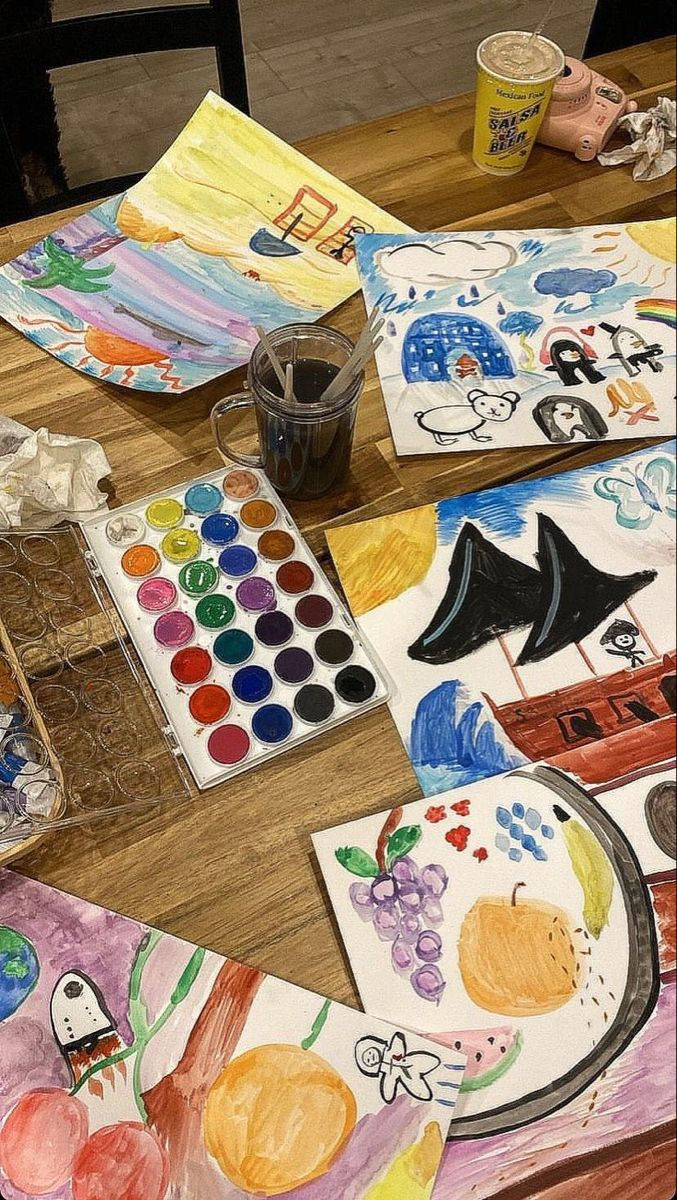
Nannies excel at transforming daily activities into valuable learning experiences. From cooking together to shopping for groceries or diving into arts and crafts, they seamlessly incorporate educational elements into everyday life.
For instance, while baking cookies, a nanny might teach measuring concepts and basic math skills by discussing fractions when adding ingredients. A trip to the grocery store can turn into a lesson about budgeting and planning, offering practical life skills that extend beyond the conventional school curriculum. One study indicated that children who learn through real-world contexts are 60% more likely to apply those lessons effectively in life.

Encouraging Autonomy and Responsibility
Nannies play a key role in helping children develop independence and responsibility. By giving kids age-appropriate tasks and encouraging them to take charge of their learning, nannies nurture a sense of autonomy.
When children are allowed to make choices in their education, it boosts their confidence and decision-making skills. For example, a nanny might let children choose their own books to read or pick out activities they want to pursue. This approach not only makes learning more relevant but also leads to children feeling more invested in their own education.
A Diverse Set of Learning Experiences
Having a nanny opens the door to unique experiences that enrich a child’s education. Nannies can introduce children to a wide range of activities, whether through art, science, or outdoor adventures.
For instance, a nanny might take a child on nature walks to teach them about ecosystems and wildlife. Additionally, organizing art projects can help children express themselves, develop fine motor skills, and learn about different cultures. Children exposed to diverse learning experiences often score higher in creativity tests, showcasing the long-term benefits of varied approaches.
Emotional and Social Skill Development
Nannies have a profound impact on a child's emotional and social skill development, beyond just academics. Children learn a lot through their interactions, and a child's ability to communicate, empathize, and collaborate with others is essential for future success.
Nannies can model positive social interactions, teaching kids how to negotiate, share, and resolve conflicts. They encourage teamwork and communication skills, which are crucial for success in both school and later life. Research has shown children with strong emotional and social skills are 80% more inclined to thrive in academic settings and build meaningful relationships.
Support System for Parents
Nannies also serve as a valuable support system for parents trying to navigate their child's education. They provide insights into the child's progress, highlighting areas that may need additional focus and suggesting activities to reinforce learning at home.
This ongoing communication benefits parents as they stay informed about their child's learning journey. By collaborating, parents and nannies can create a consistent educational approach, ensuring that both home and external environments work together to benefit the child.
Cultural Enrichment
In our interconnected world, exposure to diverse cultures is essential for a child’s learning. Nannies can introduce children to various traditions, languages, and cuisines, broadening their perspectives and fostering appreciation for diversity.
By incorporating culturally rich experiences—like cooking traditional meals, reading stories from different cultures, or celebrating unique holidays—nannies can help children develop into more culturally aware and sensitive individuals. Statistics show that children who engage with multicultural learning experiences show a 70% increase in empathy towards others.

The Balance Between Play and Learning
A critical aspect of a child’s education is play. Nannies excel at balancing structured learning with free play, vital for cognitive and social development. Through play, children gain problem-solving skills, creativity, and teamwork—key elements for their future success.
Whether creating a game or engaging in imaginative role-play, nannies understand how to use play to enhance learning, making it enjoyable and meaningful. This balance can help children realize that learning extends beyond textbooks; it can happen in various dynamic and fun ways.
The Nanny Advantage in Education
Nannies play an essential role in shaping a child’s educational journey. Their unique position enables them to provide personalized attention, enrich learning experiences, and build strong emotional connections with children. By fostering independence, encouraging curiosity, and using everyday experiences as teaching moments, nannies become the secret ingredient to your kid's learning adventures.
Investing in a nanny is an investment in your child’s overall educational experience. As you consider your child’s educational needs, remember the immense value a nanny can bring. With the support from Kiddobee, your child can embark on an exciting learning adventure that lays a strong foundation for a lifetime of discovery.


Comments